Spatial Narrative · Experience Strategy
Sargent Claude Johnson
Format
Museum Exhibition · Visitor Research
Context
Sargent Claude Johnson Retrospective · The Huntington, 2024
My role
Experience Architecture · Visitor Research Lead
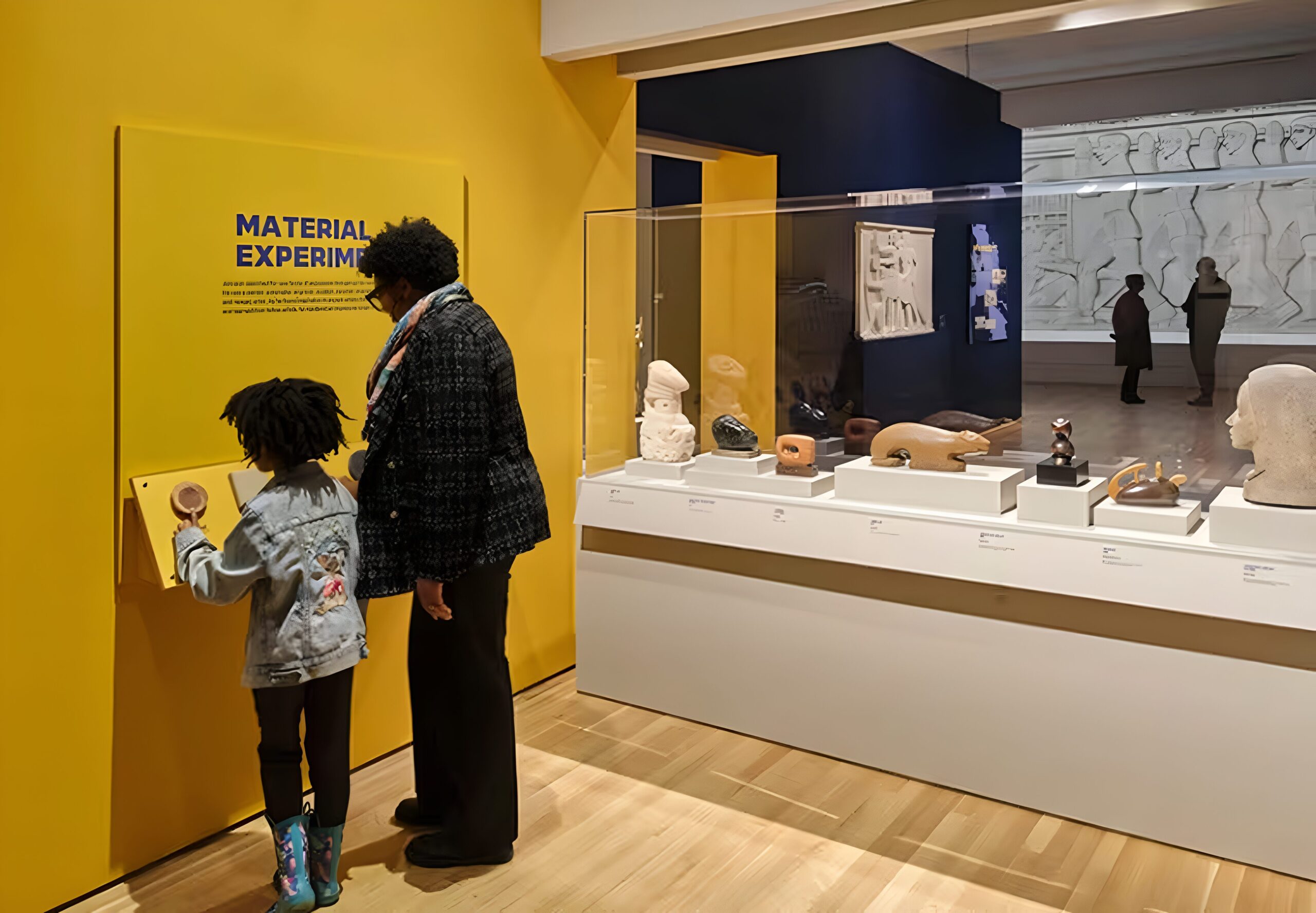 The Huntington · San Marino, CA · 2024
Sargent Claude Johnson's retrospective invited visitors to reconsider one of the most influential and least understood figures in American modernism.
The central question was how to understand an experience designed to change perception.
What remained invisible was how visitors moved through it, where attention deepened, and what stayed with them after they left.
The framework was designed to understand transformation across the full visitor journey, from first encounter through what visitors carried beyond the gallery.
I designed and led the experience research strategy to understand what the exhibition was producing in visitors: where attention accumulated, how perception shifted, and which moments continued to resonate beyond the gallery. Those findings became a foundation for future experience design decisions.
Every interpretive layer contributed to a single experience system. Physical environment, audiovisual media, gallery interpretation, and public programming worked together to shape attention, understanding, and memory.
Perception unfolds over time. The framework was designed to understand that progression as it happened, not just what visitors remembered afterward.
Large-scale works · initial perception
DoVE engagement · interpretation
Infrastructure · extended engagement
Experience architecture · Encounter → Reflect → Carry Forward · The Huntington, 2024
Measurement methods · Sargent Claude Johnson · The Huntington, 2024
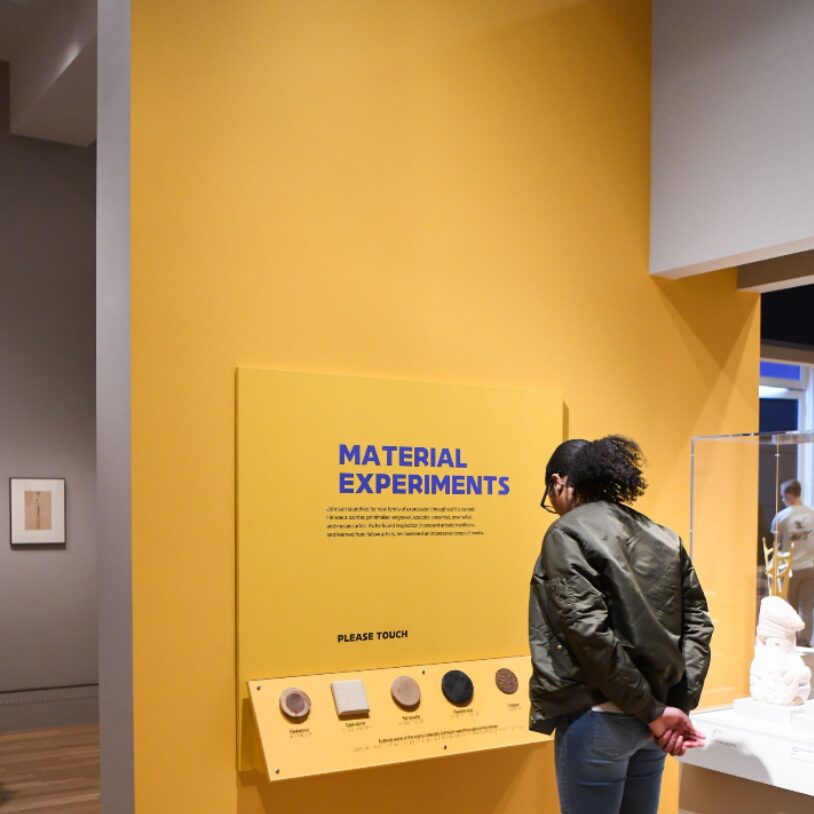
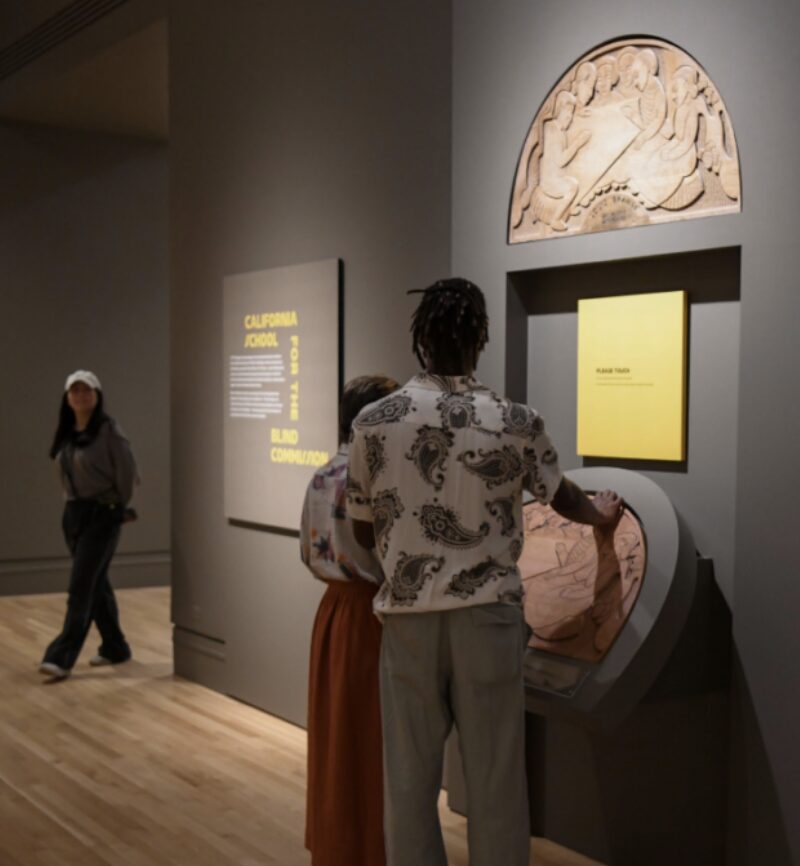
Visitors could feel the scale of Johnson's vision before they could articulate it. The role of the research was to make that experience visible.
The behavioral data made those moments legible. Large-scale works consistently held visitors in sustained engagement. Dense text panels and peripheral zones were more likely to be passed without pause.
The resulting heat maps became an evidence base for future design decisions, revealing where artworks needed more breathing room, where interpretation needed repositioning, and where circulation benefited from stronger visual anchors.
The DoVE data confirmed what the spatial data suggested. Visitors experienced unusually high levels of both intellectual and emotional engagement: reflective, attentive, introspective, at rates well above everyday experience. Sensory and imaginative engagement were both elevated simultaneously, pointing to Johnson's material diversity as a driver of genuine connection.
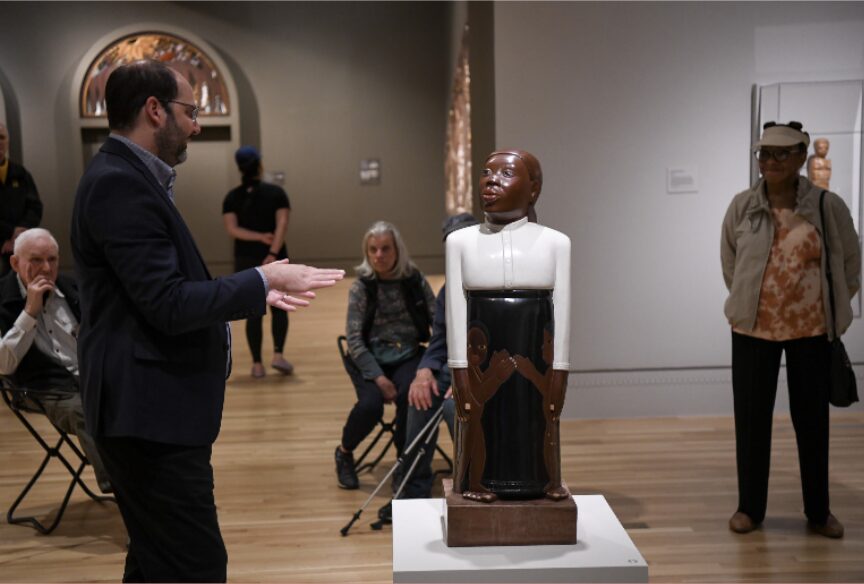
The exhibition was already creating moments of profound engagement. The opportunity was extending those moments beyond the gallery itself.
The exhibition's public programming was already generating peak experiences. The gap was infrastructure, nothing existed to catch or extend what visitors were feeling before it dissipated.
The recommendations focused on building the conditions that allowed engagement to continue after visitors left the gallery.
The work revealed where the visitor experience naturally continued beyond the exhibition itself.